
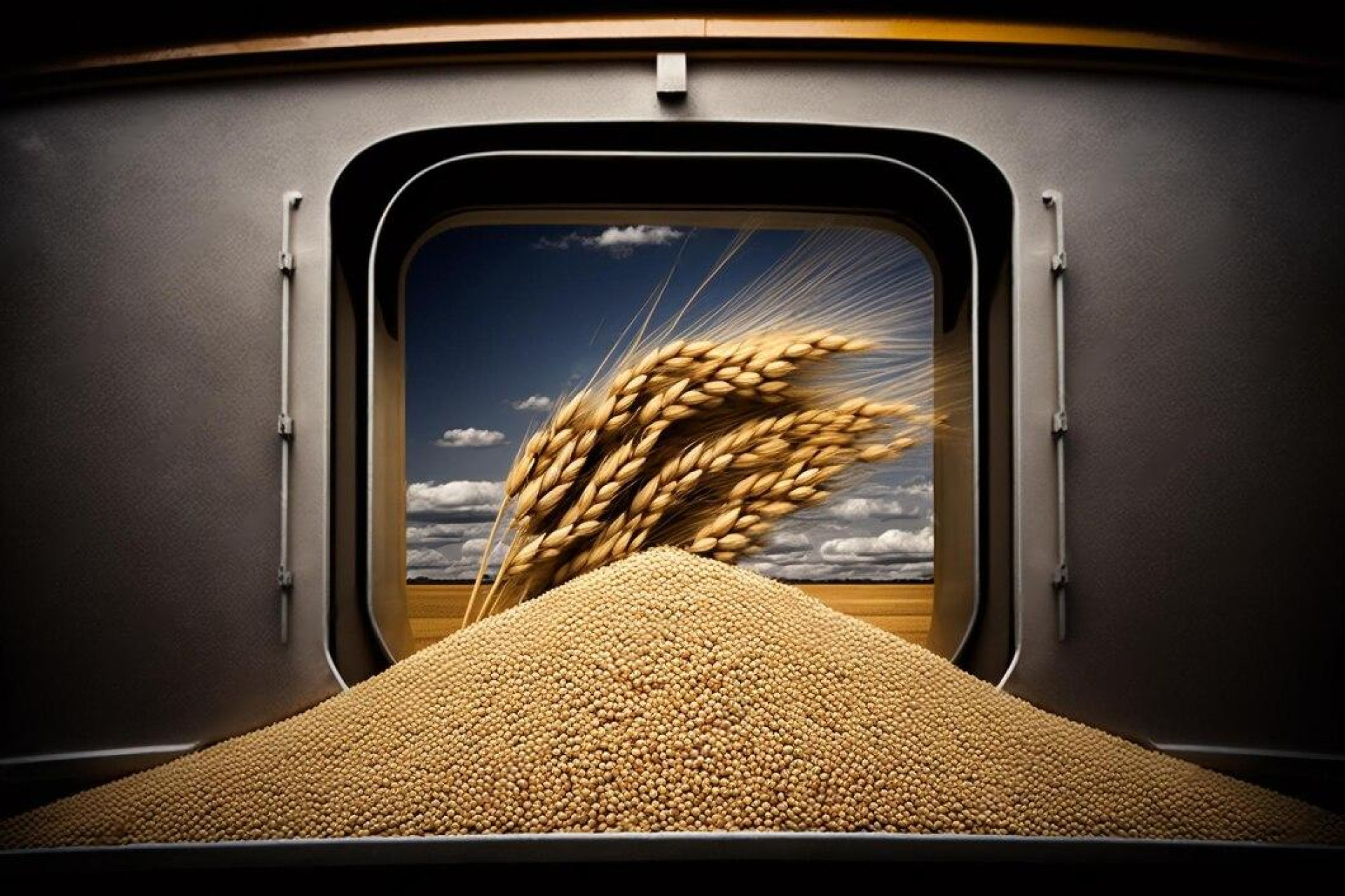
Ukrainian farmers face the same dilemma every year: sell the grain immediately after harvest or wait for a better price?
Long-term storage at elevators seems like a logical solution, but does it actually bring profit?
The grain market is tightly controlled by traders, and crop prices traditionally drop after harvest.
Storing grain at an elevator comes with additional costs, and poor timing for sales can significantly reduce income.
How can you minimize losses and maximize profit right after harvest?
It’s crucial to understand that farmers hoping for price increases after the harvest often face unpredictable economic factors.
Global crises, declining demand, and the import of cheaper grain can all impact the final product price.
Instead of taking risks and storing grain, it’s worth looking for more stable income solutions.
It seems logical that stored grain will increase in value over time.
However, the reality is different:
Storage fees – on average, from 150 UAH per ton per month.
Weight loss – drying, natural processes, and pests can reduce grain weight by up to 3%.
Logistics – farmers pay twice for transportation.
Grain spoilage – mold, humidity, and improper storage can render the product unsellable.
As a result, farmers lose between 5% to 15% of their potential profit, even if market prices remain unchanged.
Beyond direct financial costs, there’s another critical factor – time loss.
Waiting for a better price can take months, while the money could have already been used for farm development, purchasing new equipment, or investing in grain processing.
Time is a resource that has its own value.
Large buyers use several strategies to drive grain prices down in the fall:
Market oversupply – during harvest, the market is flooded with grain, which automatically lowers prices.
Trader manipulation – big companies deliberately lower purchasing prices, forcing farmers to sell at minimal rates.
Currency fluctuations – dependency on global markets creates instability, making price predictions difficult.
If a farmer bets on rising prices, they risk facing stable or even lower prices, while their storage costs continue to grow.
Each year, the same scenario unfolds: after the harvest, farmers sell grain in large volumes, causing prices to plummet.
Even if prices rise slightly in winter, it is rarely enough to cover storage costs.
Additionally, most small and medium-sized farmers lack proper facilities for long-term grain storage.
The most effective way to increase profits is not to sell grain as raw material, but to process it into a higher-value product.
Flour sells for a higher price than unprocessed grain and allows farmers to work without middlemen.
Profitability comparison:
1 ton of wheat = ≈ 10,000 UAH
1 ton of flour = from 15,000 to 20,000 UAH
The difference is obvious: selling flour generates 2-3 times more profit than selling grain.
Processing allows farmers to:
Control the final price and avoid traders.
Sell flour to bakeries, restaurants, and direct consumers.
Build their own brand and independent business.
But to start processing, farmers need the right equipment that can produce high-quality flour without unnecessary costs.
The Miller D-70S is the optimal solution for farmers looking to turn grain into stable income.
Key benefits of the mill:
High productivity – up to 150 kg of flour per hour.
Energy efficiency – low power consumption, crucial for processing large volumes.
Stone grinding – preserves the grain’s nutrients without overheating.
Versatile production – capable of processing wheat, rye, buckwheat, and other grains.
Compact design – takes up minimal space, allowing installation even in small facilities.
Automatic safety system – motor protection and temperature control for stable operation.
The Miller D-70S enables farmers to break free from trader dependency and start earning more immediately after the harvest.
Additionally, it requires minimal maintenance and allows farmers to recoup their investment quickly.
On average, an investment in this mill pays off within the first season, provided the sales strategy is properly organized.
Identify which grains you want to process.
Purchase The Miller mill.
Start flour production and find buyers among bakeries, shops, and restaurants.
Instead of selling grain to traders at minimum prices, farmers can take control of their business and earn significantly more.
Every year, farmers face the same problems: low grain prices, high storage costs, and trader manipulation.
But there is a way out of this vicious cycle – grain processing into flour.
With The Miller mills, farmers can:
Process grain without overheating.
Get higher prices for flour.
Enter new markets.
There’s no need to wait for grain prices to drop even further.
Now is the time to start earning from your own product!


