
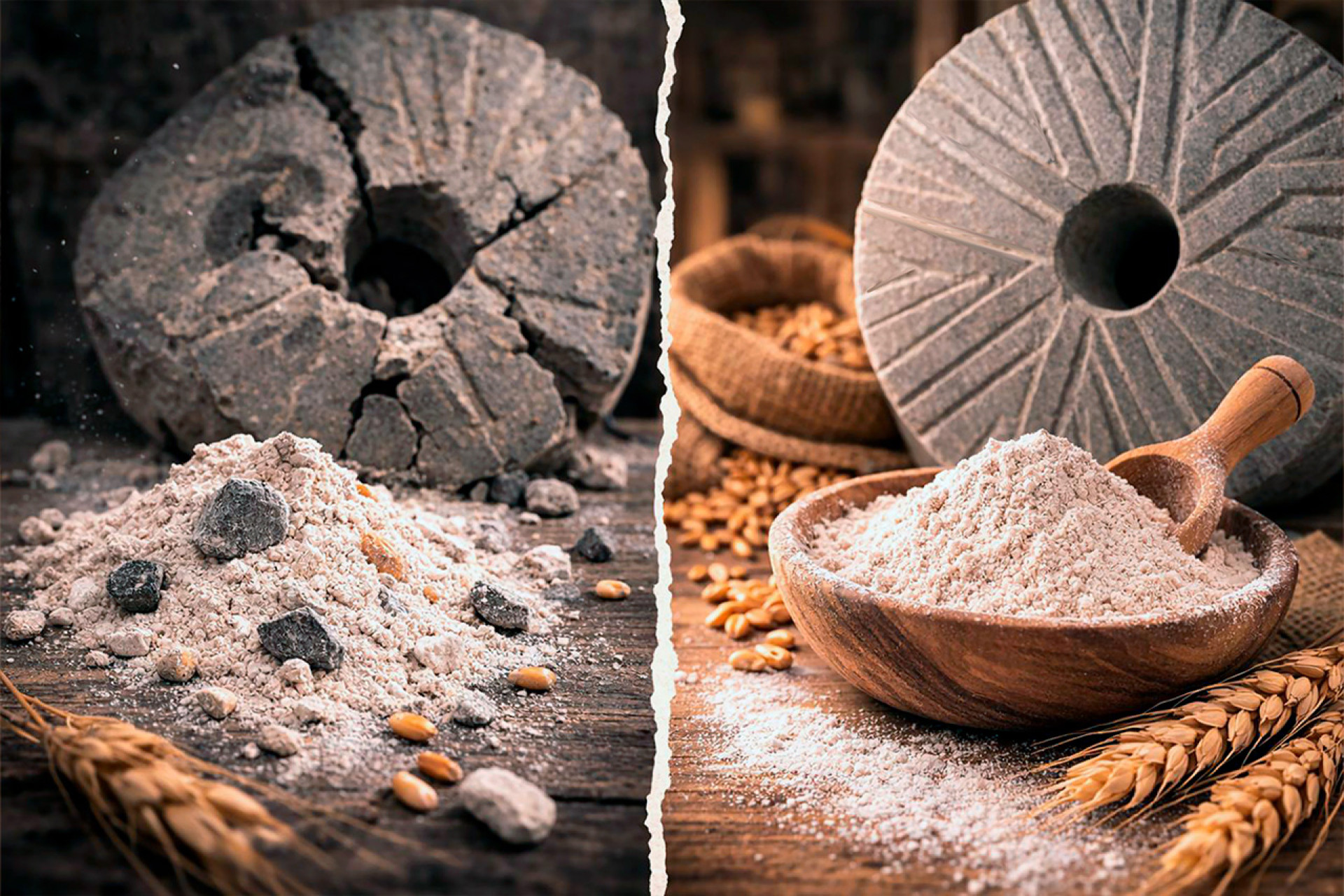
One of the most common concerns and perhaps the main argument against using a stone mill is the fear of damaging enamel due to stone particles supposedly entering the flour. Such assumptions are usually based on the myth that small stone particles from millstones can enter the flour during the operation of a stone mill. There is even a stereotype that consuming such flour leads to more frequent visits to the dentist. These concerns are partly supported by historical evidence: archaeological findings show significant enamel wear in people from past centuries. But is it fair to compare primitive tools of the past with a modern stone mills? Let’s take a closer look at why this process is considered safe today.
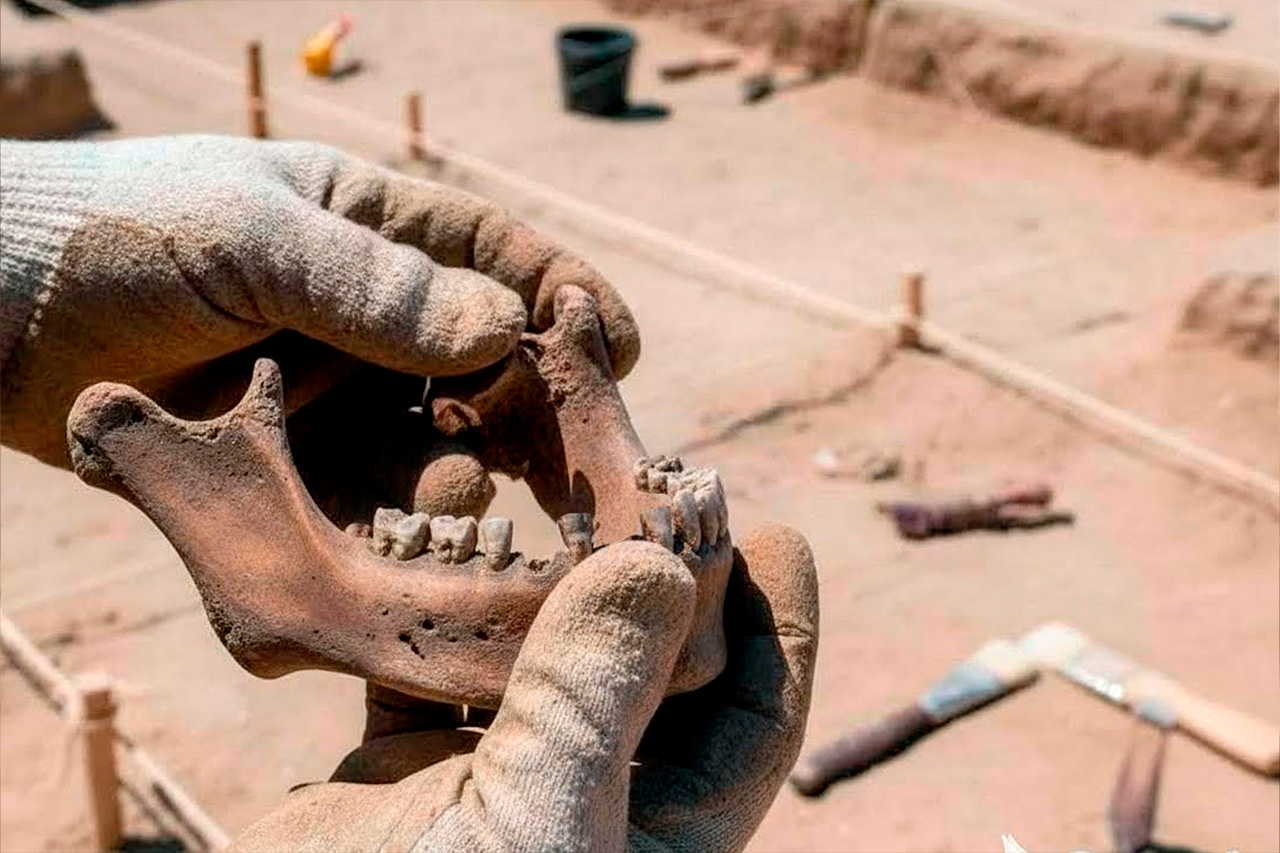
According to historical evidence, the condition of teeth in past generations depended on several everyday factors:
Contaminated grain: In the past, grain was not properly cleaned. Sand and impurities entered the stone mill together with the grain, creating an abrasive mixture that acted like sandpaper when chewing, gradually removing the protective layer of enamel.
Social factors: Studies show that higher social groups had better oral health, while others consumed rough, low-quality food daily.
Daily mechanical use: Teeth were often used as tools — for processing materials or biting through tough fibers or objects — which caused additional wear.
Stone quality: Millstones were often made from sandstone due to its availability and low cost. However, this relatively soft material gradually broke down and mixed into the flour. These sand impurities caused premature damage to the smile even in young people.
With the development of milling technology, modern stone mills use harder materials such as basalt, porphyry, and granite. These materials wear much more slowly and do not release significant abrasive particles. At The Miller, we use high-quality granite with a high quartz content and optimal grain structure, whose properties minimize the formation of stone dust. This approach combines traditional European milling practices with modern engineering:
Stability: The uniform structure of granite ensures stable and consistent grinding and long service life of the millstones.
Thermal balance: The material helps prevent overheating and helps preserve valuable nutrients in the flour.
Low wear rate: Tests show a wear rate of only 0.04 g per ton. These represents microscopic natural mineral particles in extremely small and safe amounts. For comparison, everyday food and water contain significantly more mineral particles.
A modern stone mill is a high-precision milling system. Carefully designed grooves and furrows on horizontal millstones ensure even grain distribution, natural air circulation, and temperature control. Stone milling preserves valuable components of the grain — including fiber, vitamins, and germ oils — which are often reduced in roller milling systems.
Choosing freshly milled whole grain flour or a professional stone mill means choosing natural nutrition and genuine product quality. Stone milling preserves all parts of the grain — including fiber, vitamins, and valuable germ oils — supporting digestion and providing long-lasting satiety.
The belief that stone-milled flour damages teeth belongs to the past — to a time of uncleaned grain and soft sandstone millstones. Modern stone mills with granite millstones provide stable grinding, minimal wear, and no significant abrasive particles. High-quality stone milling does not harm teeth — it provides real, nutrient-rich food for everyday consumption.


