
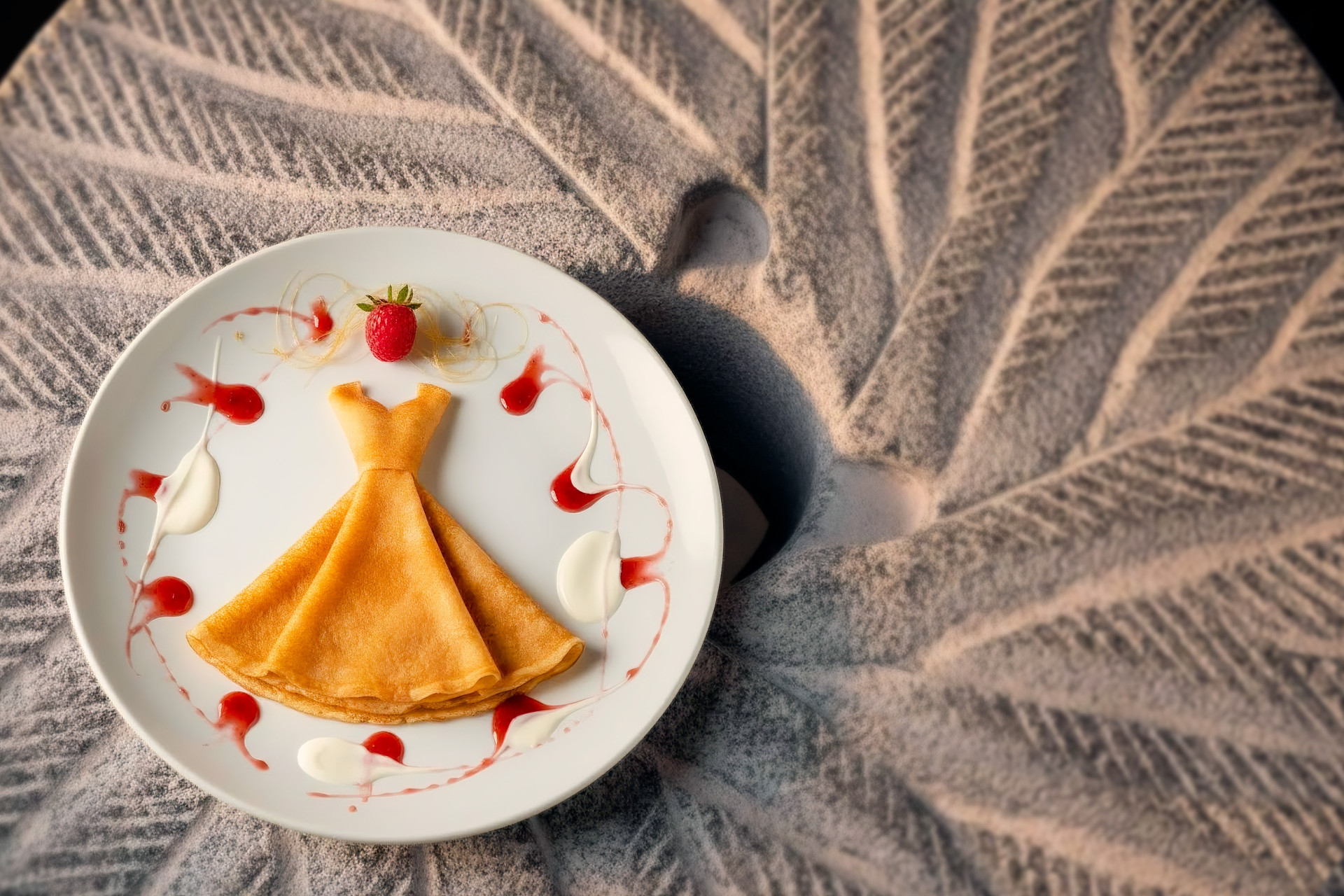
Healthy eating, as part of a balanced lifestyle, is not about extreme diets, strict “starting Monday” restrictions, or a short preparation for summer. It is a natural daily approach to food, where meals provide energy, value, and support for the body without unnecessary extremes.
When people constantly forbid themselves bread, pastries, or sweets, the opposite effect often happens — the craving only becomes stronger. Tension builds, then comes overeating, guilt, emotional exhaustion, and another cycle of restrictions.
A healthy lifestyle works differently. It does not mean giving up favorite foods forever, including baker products. Instead, it is about reviewing ingredients, choosing better options, and controlling portions.
Let’s take a closer look at this “flour question”.
To avoid buying “a pig in a poke” and constantly analyzing ingredient labels that sometimes look more like a chemistry textbook than real food, many people choose another way — cooking at home.
This makes it easier to control ingredients, quality, and proportions. One of the most important ingredients here is the base for baking. And the question becomes: what kind of flour should you choose?
This is where a home stone mill such as The Miller H15 can become a valuable solution. It allows you to mill grain at home and get fresh milling right before baking, giving you full control over milling quality and the final result.
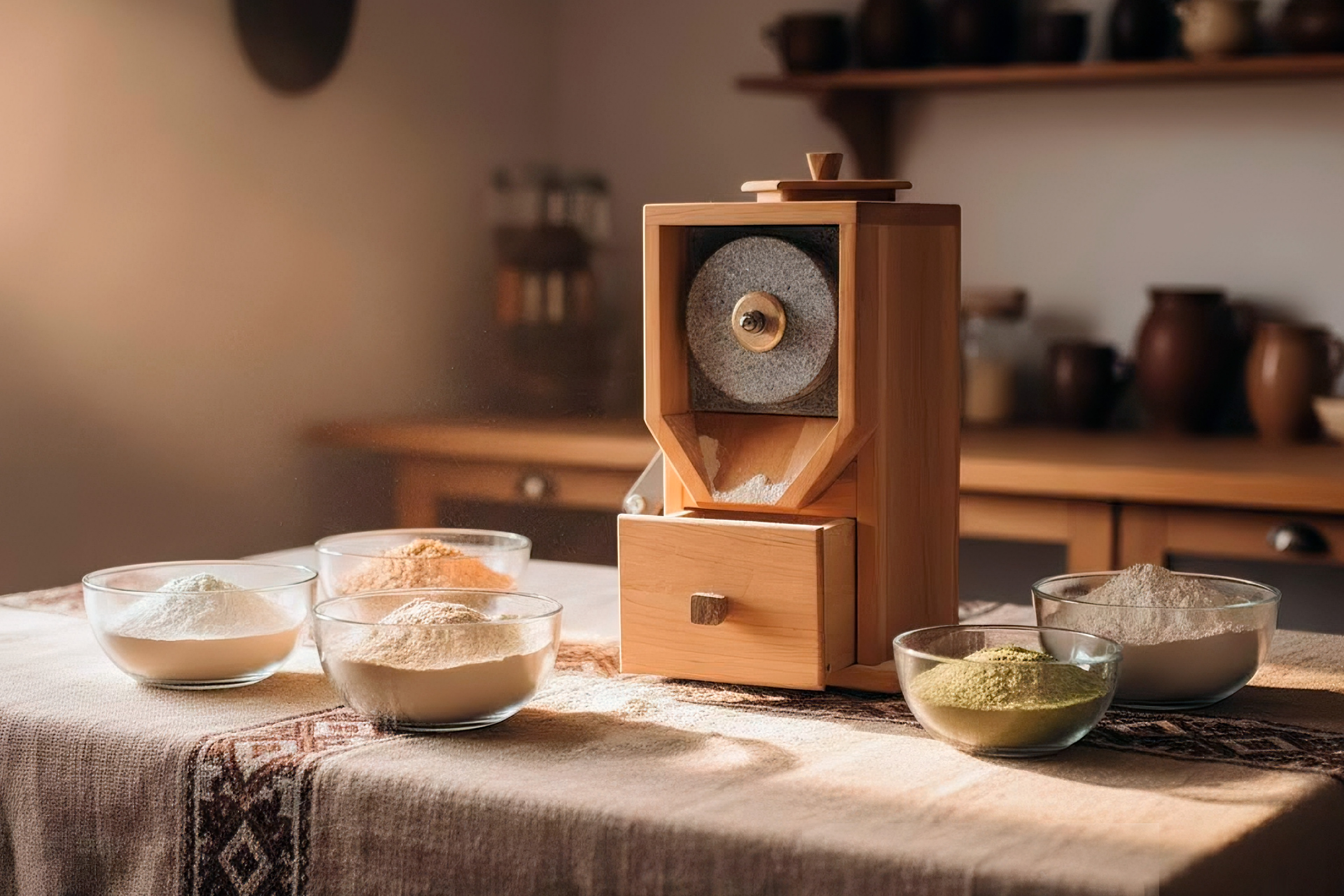
If we look a little deeper, standard white refined white product usually goes through intensive processing. During production, part of the bran and the germ is removed — and these are exactly the parts where a significant amount of fiber, vitamins, and minerals are concentrated.
In addition, industrial flour milling may involve excessive heat during grinding, which can negatively affect some of the grain’s nutritional properties. This product stores longer, transports more easily, and matches the привычное expectation of pure white color. However, much of its value is simply lost.
Whole grain flour, especially from stone milling, is produced differently — by grinding the entire kernel together with the bran, germ, and endosperm. At the same time, the grinding temperature is controlled more carefully. This helps preserve fiber, minerals, vitamins, and the natural taste.
If the body does not tolerate gluten, attention shifts toward clean alternative grains — either for milling at home or for ready-made flour. In such cases, people often choose rice, buckwheat, corn, millet, chickpeas, lentils, quinoa, amaranth, and other naturally gluten-free grains. Products made from these ingredients allows people to prepare bread, pastries, pancakes, and other baked products while considering individual health needs.
It is better to choose producers whose raw materials and flour milling quality are confirmed by proper documentation and production control — or to take control personally by using your own mills at home.
For complete gluten intolerance, having a separate home grain mill is the safest option to avoid cross-contact with gluten. For mild sensitivity, careful cleaning of the millstones and the mill body after milling is essential.
Important: acceptable levels of minimal cross-contact should always be evaluated individually depending on health condition, sensitivity level, and medical advice.
Do not force yourself. Make the transition gradual, comfortable, and natural for your habits and taste preferences.
Start Small Begin by replacing only 1/4 or 1/2 of your usual flour with whole grain options. Then gradually increase the proportion.
Experiment Try different grains gradually — buckwheat, spelt, rice, corn, and others. This helps you better understand your taste preferences and how your body responds.
Accept Small Changes The dough may feel denser, the texture richer, and the final result slightly different from what you are used to. This is completely normal and is a natural feature of less processed product.
Over time, you notice that not only your menu changes, but also your attitude toward what you buy, how you cook, and what you choose to nourish yourself and your family. And one day, it becomes clear: everything started with one simple decision — changing the foundation of everyday food.
.jpg)


